A commercial energy audit before solar installation tells you exactly how much power your business actually uses, when it uses it, and where it leaks money, before anyone quotes you a panel count. Skip it, and you’re guessing at system size using a rough monthly bill instead of real load data. That guesswork is exactly why so many commercial rooftop systems in Kerala end up oversized, undersized, or mismatched to the tariff structure they’re supposed to fight.
| Audit Element | What Happens | Typical Duration |
|---|---|---|
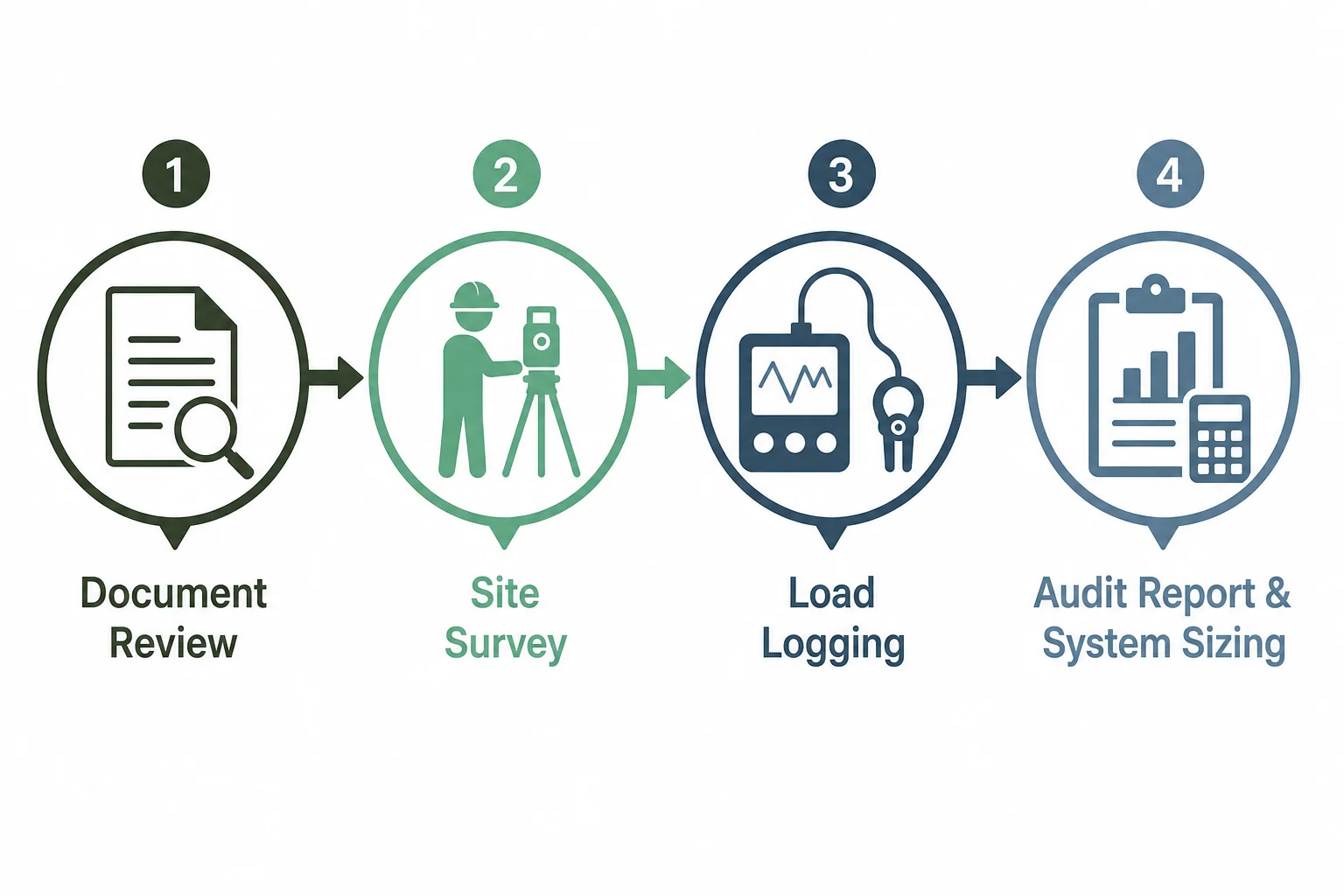
| Document review | 12 months of KSEB bills, sanctioned load, contract demand checked | 1 day |
| Site survey | Roof measurement, shading study, structural and wiring check | 1 day |
| Load logging | Clamp meters record real consumption over a full operating cycle | 2-4 days |
| Report and sizing | Consumption analysis, efficiency notes, proposed kW system, ROI estimate | 2-3 days |
| Business types covered | Shops, offices, resorts, factories, institutions | – |
| Key output | Right-sized system design matched to actual load curve, not average bill | – |
Here’s the problem with quoting a commercial solar system off a single electricity bill: that bill is an average. It hides the two numbers that actually determine system design, your peak daytime demand and how much of your load happens after sunset.
A shop in Thiruvananthapuram running lights and AC from 10 am to 8 pm has a completely different load shape than a factory running three shifts, or a resort with seasonal occupancy swings. A commercial energy audit before solar installation captures that shape. Without it, an installer is essentially sizing your system on a hunch, dressed up as a quote.
This matters even more under Kerala’s evolving tariff structure. Commercial and industrial connections increasingly sit on Time-of-Day billing, where evening units cost noticeably more than daytime units. If your audit doesn’t map when you actually draw power, you can’t make an informed call on whether a plain on-grid system pays back fast enough, or whether adding battery storage to shift evening load is worth the extra capital.
Expect the auditor’s first request to be paperwork, not a rooftop visit. This step establishes your baseline before anyone climbs a ladder.
If you’re also gathering paperwork for subsidy or net-metering approval, this is a good moment to line those up together. Our guide on what documents are needed before solar installation starts walks through that separate checklist in more detail.
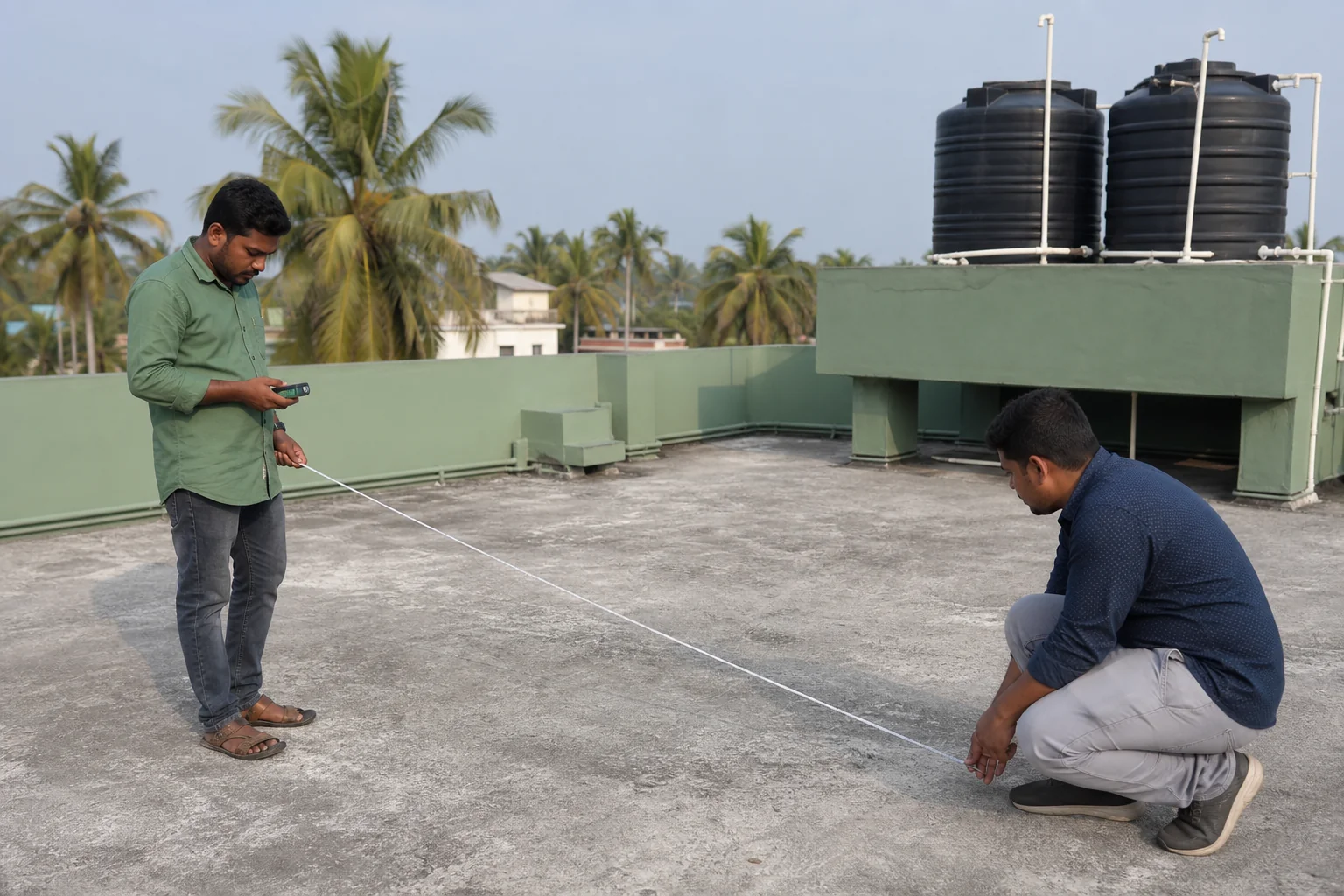
The on-site survey answers one question directly: can your roof and electrical infrastructure support the system your load data suggests? It combines a physical roof inspection with a check of your existing panel boards and wiring condition.
The team measures usable roof area, checks for shading from water tanks, adjacent buildings, or trees at different times of day, and assesses structural load capacity. They also open up your electrical panel to check whether existing wiring, breakers, and earthing can handle the added solar connection without an upgrade.
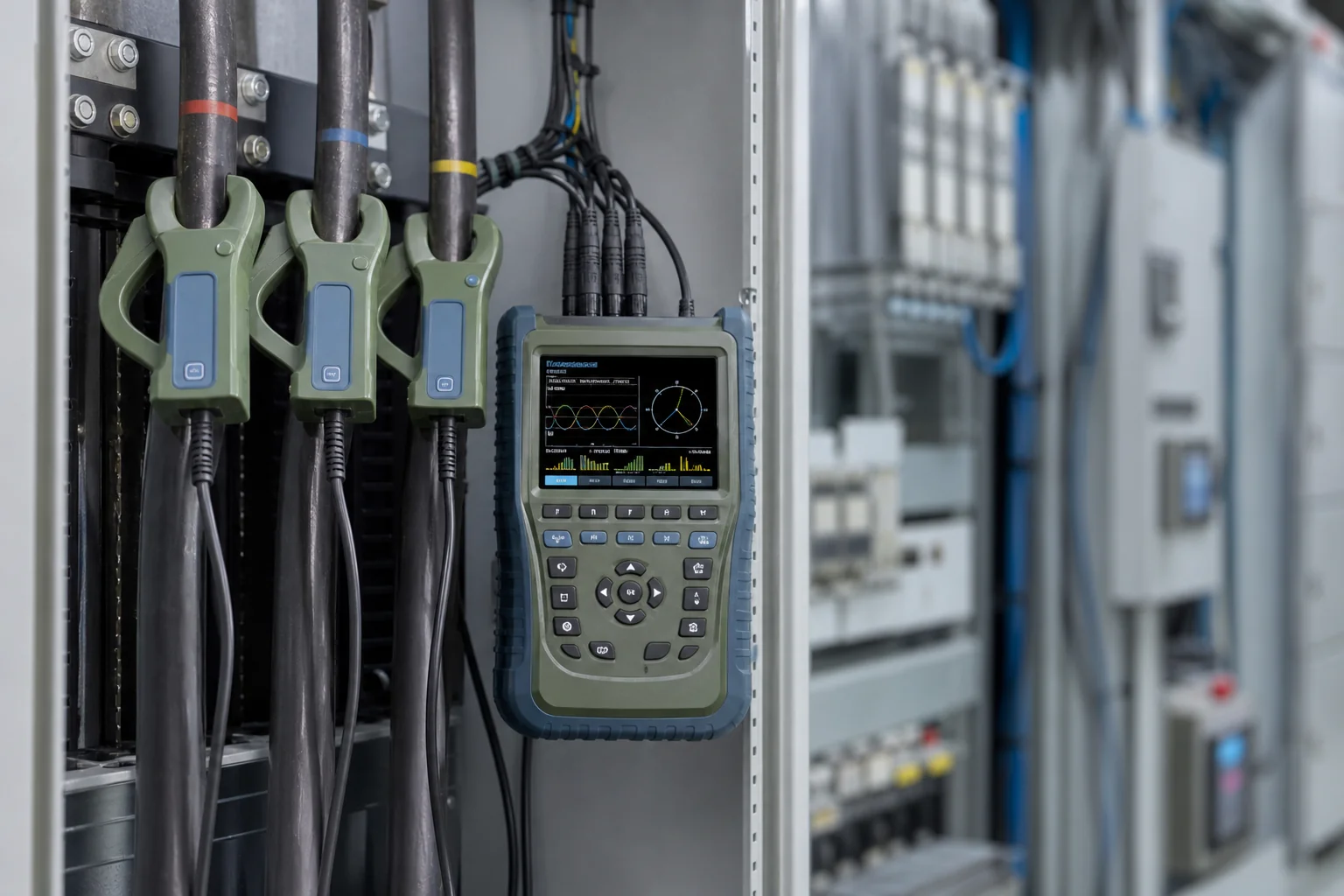
Load profiling means clamping a data logger onto your incoming supply cables and recording actual power draw, usually in 15-minute intervals, over several days. It’s the single most important data set from the entire audit.
This is where the real design decisions happen. If your load curve shows a sharp midday peak that drops off after 6 pm, a straightforward on-grid system sized to that peak makes sense. If a meaningful share of your consumption happens in the evening, TOD-priced hours, the math shifts toward a hybrid system with battery storage, so you’re using stored solar power instead of buying expensive evening grid units.
Why does the load profile matter more than the average monthly bill? Because two businesses with identical average bills can need completely different system sizes if one runs entirely in daylight and the other runs a night shift. The average number hides that difference; the logged profile reveals it.
This is also the data set that resolves the on-grid versus hybrid question in practical terms rather than by preference. For a broader comparison of system types, see our breakdown of on-grid vs off-grid vs hybrid solar systems, which applies to commercial sizing logic as well as home systems.
Audits routinely surface issues nobody flagged in the initial conversation. A few show up often enough across Kerala commercial sites to mention specifically.
Each of these findings feeds back into the design before a single panel gets ordered, which is precisely the point of doing the audit first.
A completed commercial energy audit report should give you enough to make a capital decision, not just a summary of your bills. Expect it to cover consumption analysis by time band, efficiency recommendations (sometimes small fixes like lighting upgrades pay back faster than solar itself), a proposed system size in kW, expected annual generation, and a payback or ROI estimate based on your actual tariff slab.
For industrial sites specifically, this report often becomes the technical backbone of the eventual EPC proposal. If you’re evaluating a larger installation, our guide on best solar inverter brands available in South India is useful once the audit has confirmed your target system size and load profile.
A commercial energy audit typically runs three to seven days end to end, depending on how many meters need logging and how large the site is. Document review and the site survey usually take a day each; load logging needs at least two to four days to capture a representative operating cycle, and the final report takes another two to three days to compile.
| Business Type | Typical Audit Focus | Load Logging Duration |
|---|---|---|
| Small shop or office | Daytime peak, lighting and AC load | 2-3 days |
| Factory or industrial unit | Motor and machinery duty cycles, shift patterns, HT tariff | 4-7 days |
| Resort or hospitality property | Seasonal occupancy swings, kitchen and laundry loads | 5-7 days across a busier period |
| School or hospital | Critical load segregation, backup priorities | 3-5 days |
Audit cost usually factors into the overall EPC proposal rather than being billed as a separate line item on smaller commercial jobs, though larger industrial audits with extensive load logging can carry their own scope. Ask directly during your free consultation how the audit is structured for your site size.
What happens if a business skips the commercial energy audit? It usually ends up with a system sized against a rough average bill instead of real load data, which produces either an oversized system that ties up capital in unused capacity, or an undersized one that fails to cut the peak charges actually driving the bill up.
Oversizing wastes money on panels and inverter capacity your load curve never uses; that capital sits idle instead of shortening your payback period. Undersizing is arguably worse, because the system still costs real money but never touches the specific evening or peak-demand charges that were driving the original bill up in the first place.
Both outcomes trace back to the same root cause: sizing a system before understanding the load it needs to serve. This is also one of the clearest markers separating a careful EPC process from a rushed one, and it’s worth reading alongside our piece on what actually works for frequent power cuts in Kerala, since backup reliability depends on the same accurate load data.
Is commercial solar worth the audit step for a smaller business? Yes, and the smaller the business, the more an oversized system hurts proportionally, since there’s less operating budget to absorb an inefficient design.
It isn’t legally mandatory in most cases, but it’s practically essential. Without accurate load data, an installer is sizing your system on assumptions, which is exactly what leads to the oversizing and undersizing problems discussed above.
Most commercial audits take three to seven days from document review to final report, though larger industrial sites with multiple shifts or seasonal patterns, like resorts, sometimes need closer to a week of load logging to capture a representative picture.
No, they overlap but serve different purposes. The audit’s site visit focuses on load data and roof suitability for sizing; a separate technical site survey later confirms mounting structure, cable routing, and final layout once the system size is agreed.
Often, yes. If the audit uncovers wiring upgrades, shading losses, or a different system size than initially assumed, the commercial proposal is revised to reflect what the site and load data actually require, rather than an early estimate.
A commercial energy audit costs a few days of coordination. An oversized or undersized system costs years of a payback period that never quite arrives on schedule.
If you’re evaluating rooftop solar for a shop, office, factory, or hospitality property, the audit is the step that keeps the eventual design honest. We run this process at SOLAR CONNECT before we design any commercial system, whether it’s a small retail unit in Kollam or a larger property closer to the scale of our Club Mahindra resort installations. You can start by checking rough numbers with our free Solar Calculator, then get a free quote once you’re ready to book an on-site audit. If you’d rather talk through your specific load pattern first, speak to a solar expert and we’ll walk through what the audit would look like for your property.
Ask ten specific questions before you sign anything, and you'll know within minutes whether a solar installer is worth your rooftop. The questions to ask solar installer before signing contract...
My cousin in Kollam once got two solar quotes on the same day: one from a national brand's call centre, one from a Trivandrum-based crew that had already wired half his street. The loca...
The Varghese household in Kayamkulam lost power eleven times in July 2026 alone, most cuts lasting two to four hours with zero warning from KSEB. The best solar system for frequent powe...
© 2026 SOLAR CONNECT, All rights reserved. Developed by Crantia Technologies

